
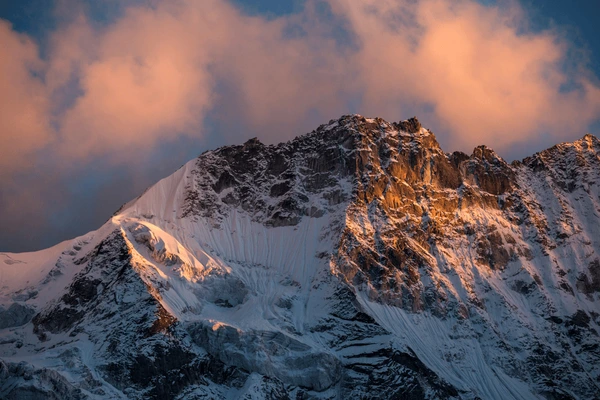
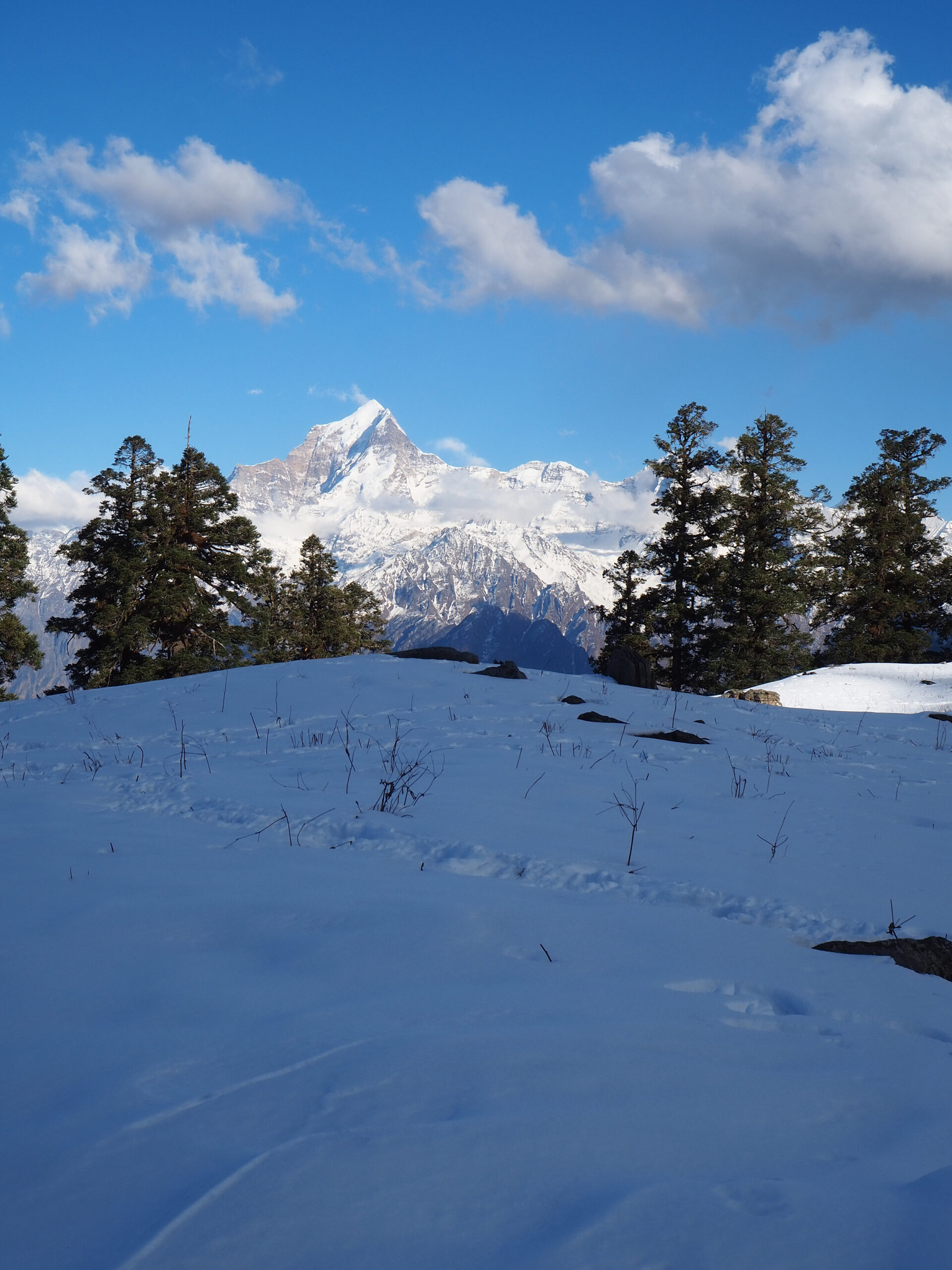
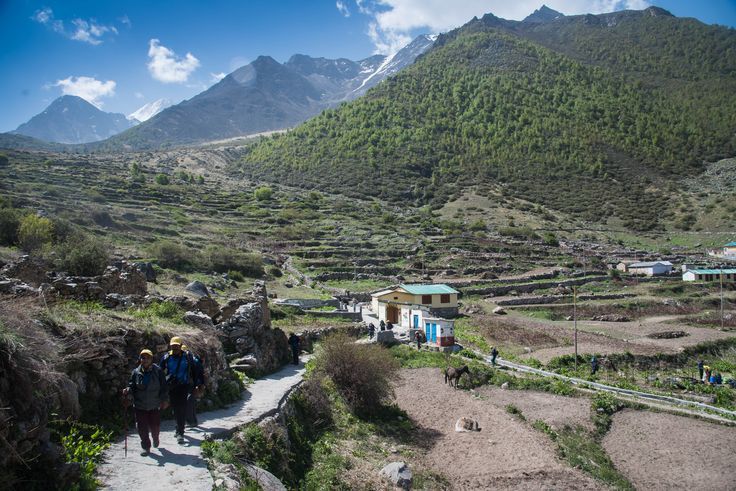
Dronagiri Trek is not a name most people look up when planning a Himalayan trek. It does not have the fame of Kedarnath or the Instagram presence of Roopkund. What it has is something quieter and arguably more lasting — a mountain with deep mythological roots, a valley that feels genuinely off the beaten path, and a village community that has lived beneath this peak for generations without much interest in being discovered.
The mountain has a specific place in Indian mythology — the Ramayana holds that this is the peak from which Hanuman lifted a section of the mountain in his search for the Sanjeevani herb. Whether or not that story carries religious weight for you, the people who live here regard the mountain with a reverence that is palpable in the way they speak about it and the way the village is oriented around the temple at its centre.
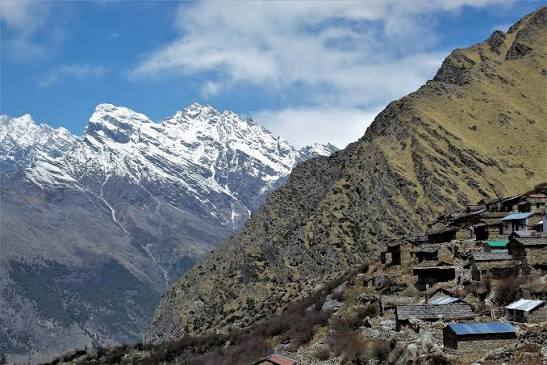
But the mountain is only one part of what makes this trek interesting. The village itself is the other — possibly the more compelling part. Dronagiri village is a Bhotiya settlement, one of the ancient trading communities that historically worked the routes between India and Tibet before the border closed in 1962. Their architecture, the layout of the village, the temple, the way the community functions — none of it resembles the trekking-infrastructure towns that crowd the more popular routes. This is a living village, not a trekking hub. You are a guest here, and the experience of being received as one is something most mountain travellers do not encounter often enough.
Trek at a Glance
| Detail | Info |
|---|---|
| Total Distance | 22 km |
| Maximum Altitude | 12,500 ft |
| Village Altitude | 11,000 ft |
| Daily Walking Time | 4–6 hours |
| Cultural Highlight | Ancient Bhotiya settlement, Dronagiri temple |
| Nearest Railway Station | Rishikesh |
| Nearest Airport | Jolly Grant, Dehradun |
What Makes This Dronagiri Trek Different
A Village, Not a Summit
Most Himalayan treks measure their success in altitude reached. Dronagiri Trek measures it differently — in where you arrive. The village at 11,000 feet, with its stone houses and a community that has maintained this mountain territory for centuries, is a destination in its own right. The trek does not ask you to conquer anything. It asks you to show up.
The Bhotiya Community
The Bhotiya people were traditionally trans-Himalayan traders, moving wool, salt, and goods between India and Tibet along mountain passes. That trade ended when the border closed but the communities remained. Spending time in Dronagiri village gives you a window into a way of life that has more continuity with the pre-modern Himalayas than almost anywhere else in the region.
The Nanda Devi Sanctuary Approach
The route passes through the gateway area of the Nanda Devi Biosphere Reserve — one of the most protected and ecologically significant landscapes in India. The trail through Lata village has been used by mountaineering expeditions heading toward Nanda Devi for decades. Walking it for the village trek gives context to why this particular stretch of mountain country is considered so important.
How to Reach
By Train and Road
Rishikesh or Haridwar to Joshimath — the standard Garhwal approach via the Alaknanda highway through Chamoli. From Joshimath, a short drive takes you toward Lata village. Total time from Rishikesh: approximately 9 to 10 hours by road.
By Air
Jolly Grant Airport in Dehradun, then a full day’s drive to Joshimath via Rishikesh and the Alaknanda highway.
Cultural Notes
The Dronagiri temple has protocols around entry that the local community takes seriously. Follow your guide’s instructions and treat the space accordingly. The village is a home, not an attraction — common courtesy goes a long way. Photography inside homes and of individuals should always be with permission.
What to Expect on the Ground
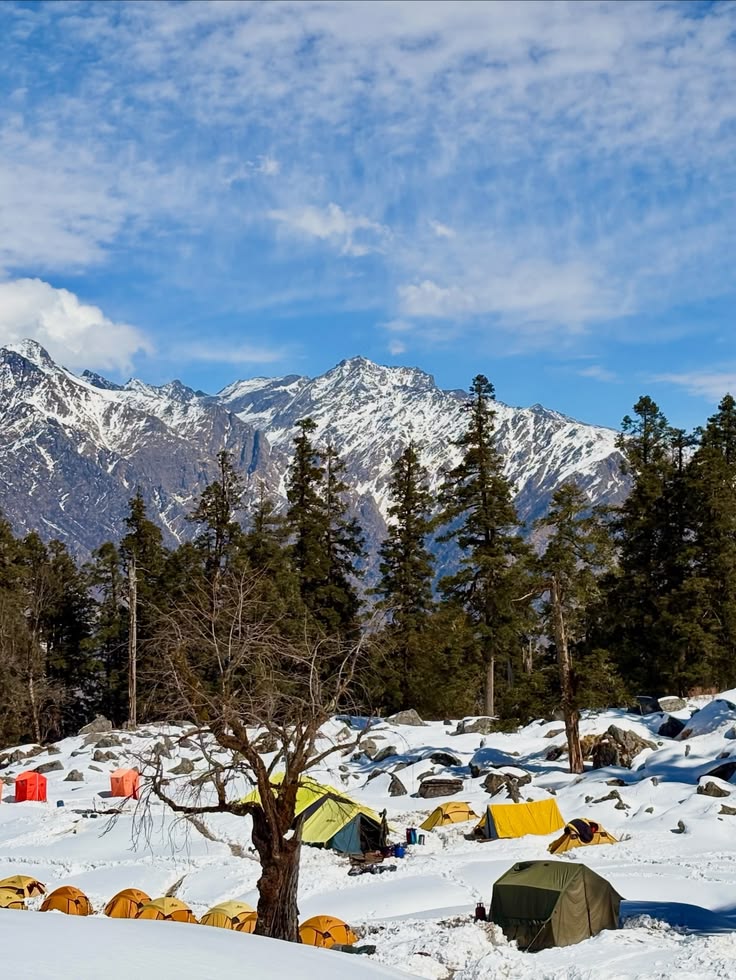
Camping throughout, except the first night in Joshimath. Homestay in Dronagiri village is possible with prior coordination and adds considerably to the experience — sleeping in a Bhotiya home is different from a tent. No technical sections anywhere on this trek. Standard mountain trail fitness is sufficient.