Ask someone who knows Uttarakhand well about Chopta Tungnath Trek and they go quiet for a moment before answering. It is not that they don’t want to tell you — it is more that they are deciding how much to share. Chopta Tungnath Trek has stayed relatively quiet compared to the bigger names in the region, and the people who have been there once tend to keep going back.
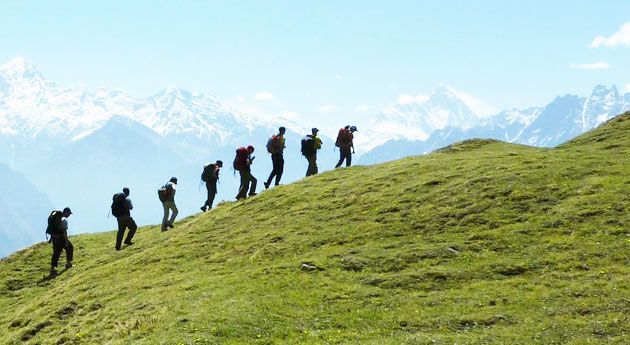
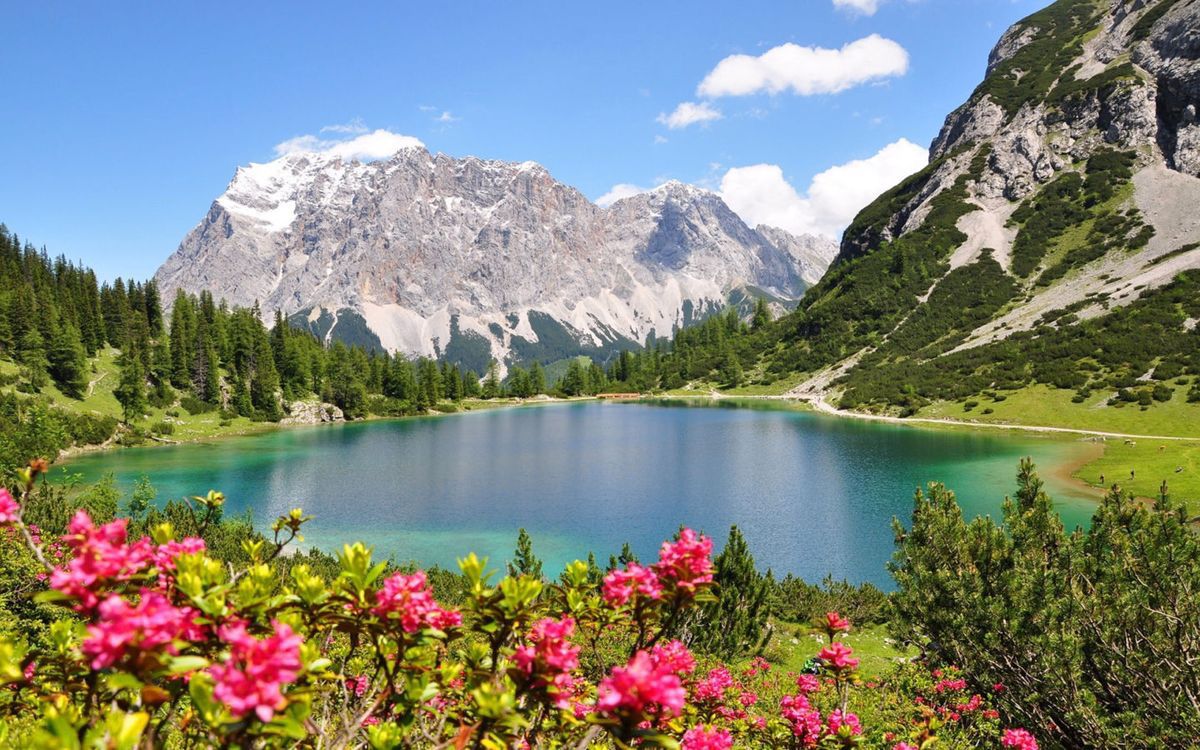
It sits at 2,700 metres inside the Kedarnath Wildlife Sanctuary. The meadows here — bugyals covered in silver fir and rhododendron at the edge of the tree line — are exactly what you imagine when someone says “high Himalayan grassland.” In winter, six to eight feet of snow buries all of it and the entire landscape becomes something completely different.
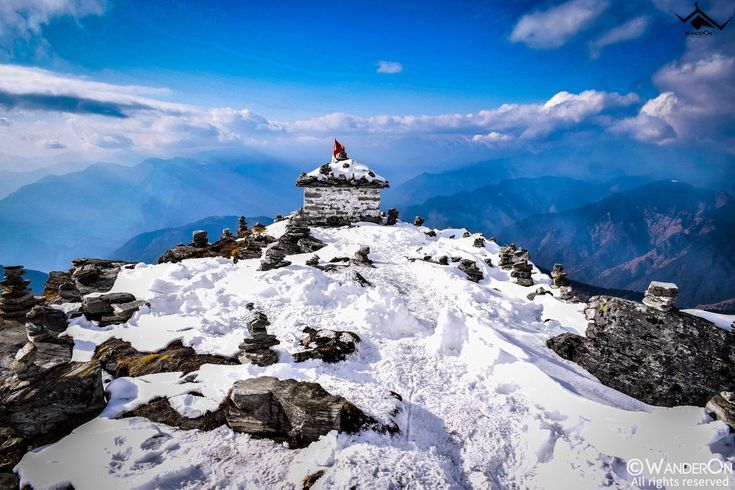
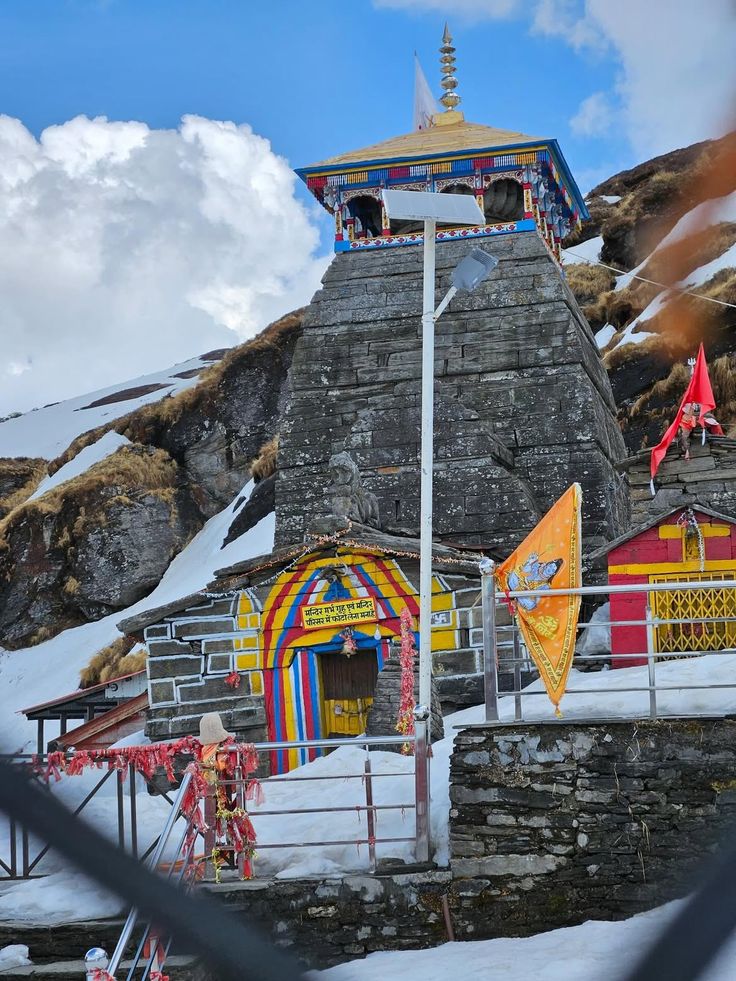
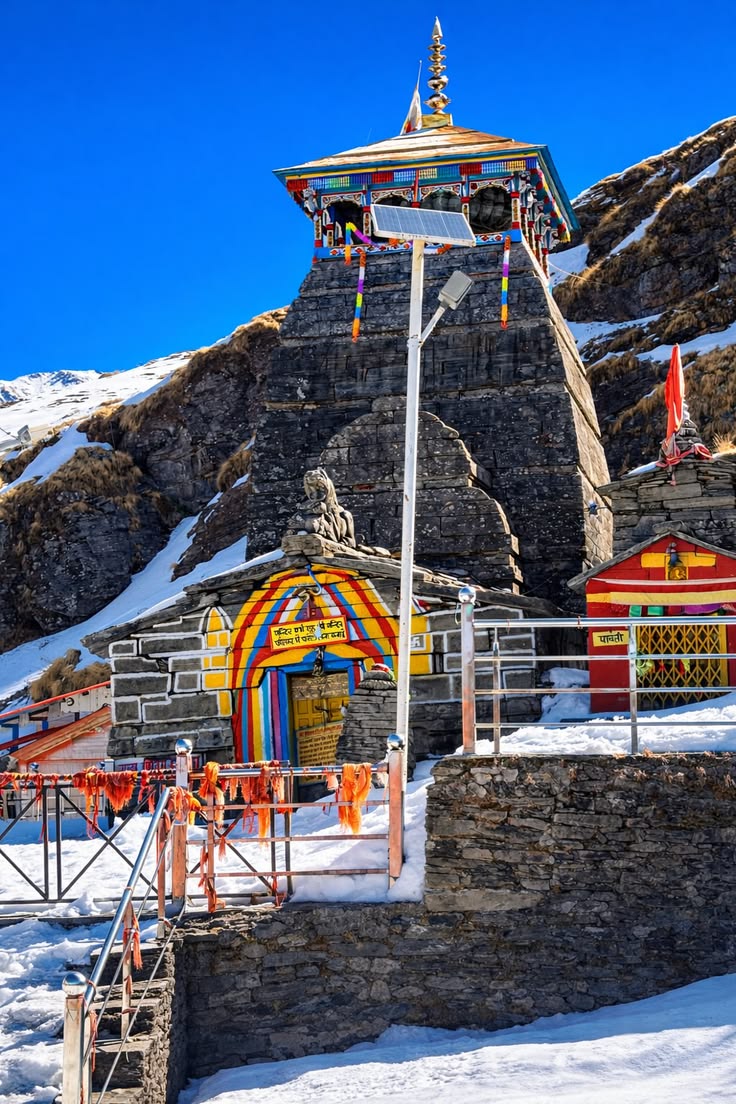
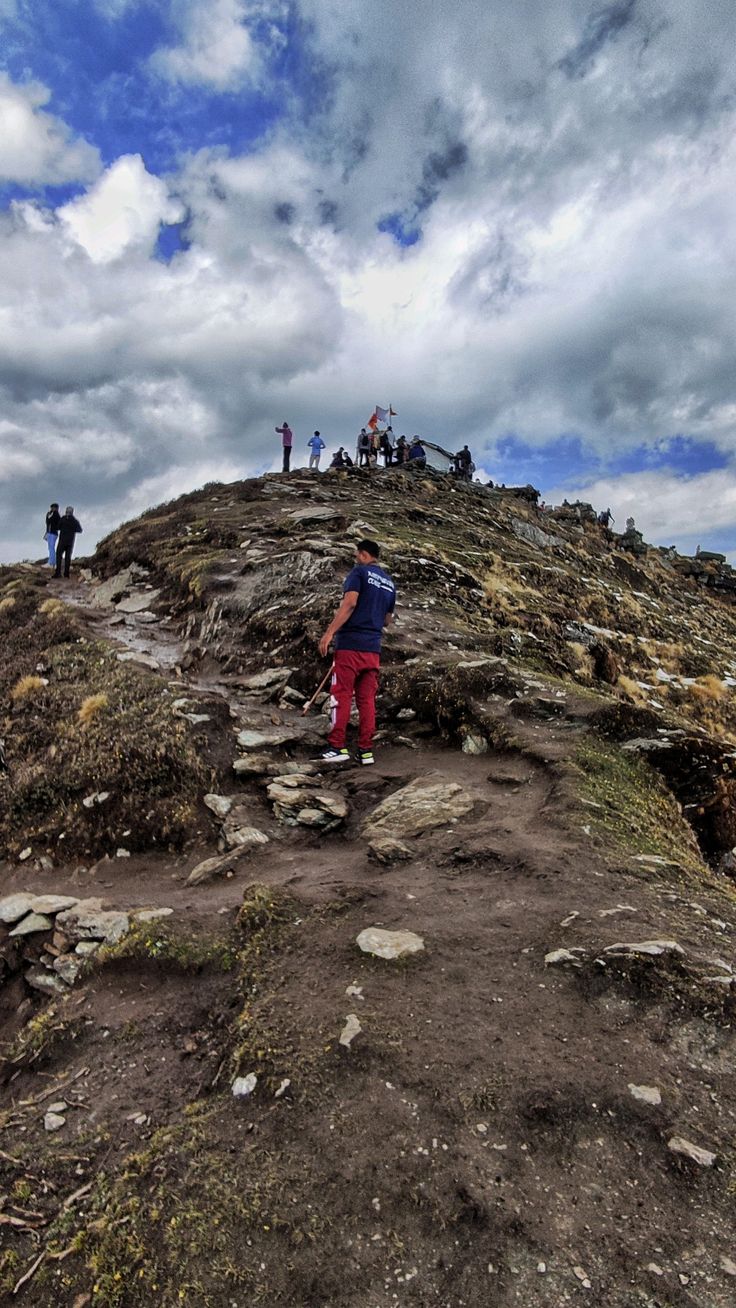
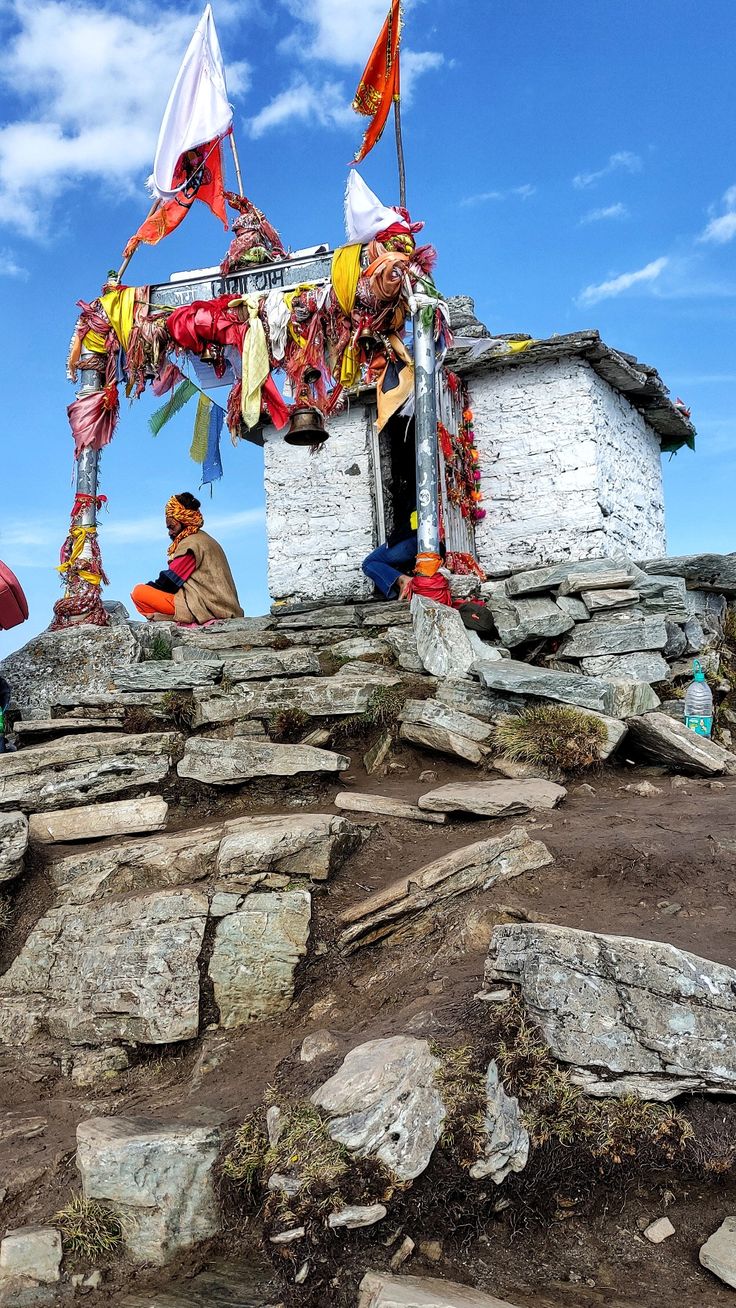
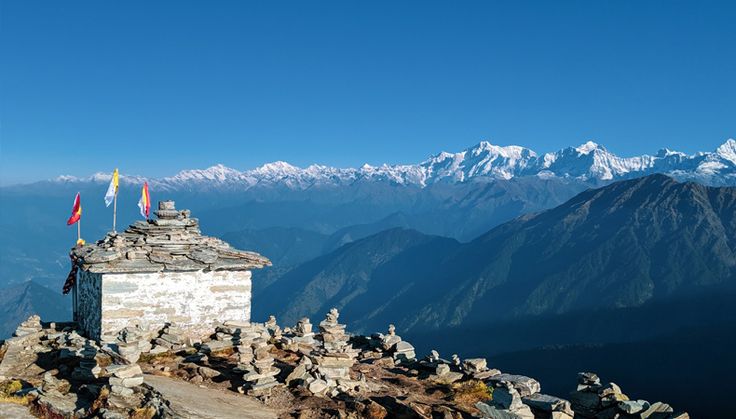
Chopta Tungnath Trek is the highest Shiva temple in the world, at 3,680 metres on the ridge directly above Chopta. The walk up is 3.5 kilometres through some of the finest forest in the region — the kind of trail that makes the climb feel incidental. Above the temple, one more kilometre brings you to Chandrashila at 4,000 metres. And from there, on a clear day, the view includes Nanda Devi, Kedarnath, Trishul, Chaukhamba, Bandarpunch, and Nilkanth — the kind of horizon that makes the previous hour’s effort feel like no effort at all.
Trek at a Glance
| Detail | Info |
|---|---|
| Chopta Altitude | 8,790 ft |
| Tungnath Temple Altitude | 12,073 ft |
| Chandrashila Summit | 13,123 ft |
| Chopta to Tungnath | 3.5 km |
| Tungnath to Chandrashila | 1 km |
| Total Round Trip | ~9 km |
| Nearest Railway Station | Rishikesh / Haridwar |
| Nearest Airport | Jolly Grant, Dehradun |
Why Chopta Tungnath Trek Stays in the Memory
Tungnath — The World’s Highest Shiva Temple
At 3,680 metres, Tungnath holds a specific kind of weight. The temple has been here for centuries. The stone architecture, the ritual objects, the priests maintaining services through the brief open season — it operates the way it always has. For trekkers without a religious motive, the setting alone is worth the climb: a mountain ridge, an ancient stone structure, and the peaks visible in every gap between the clouds.
Chandrashila — The Summit Above the Temple
The extra kilometre from Tungnath to Chandrashila is the one most people add on and none regret. The summit at 13,123 feet has no obstructions — just the open sky and the complete Himalayan panorama. Kedarnath, Chaukhamba, Trishul, Nanda Devi, and Bandarpunch are all identifiable from here on a clear day.
Chopta in Winter
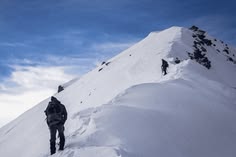
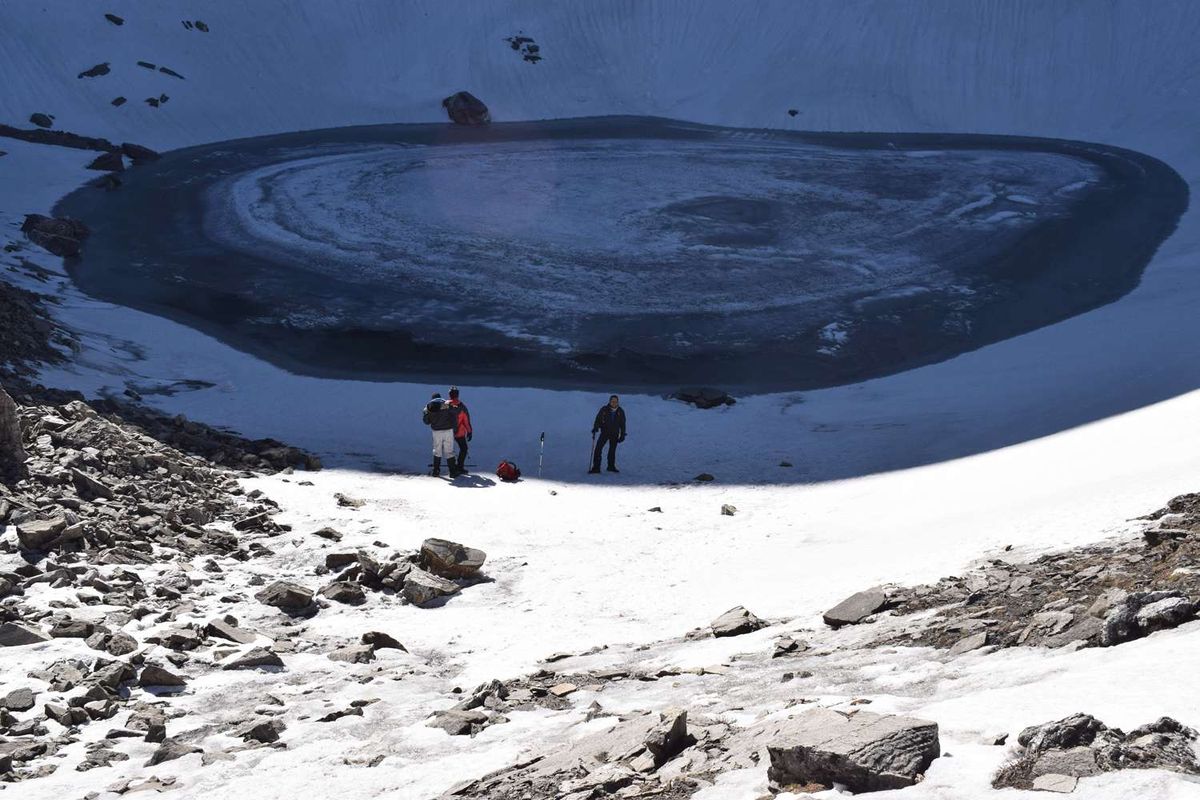
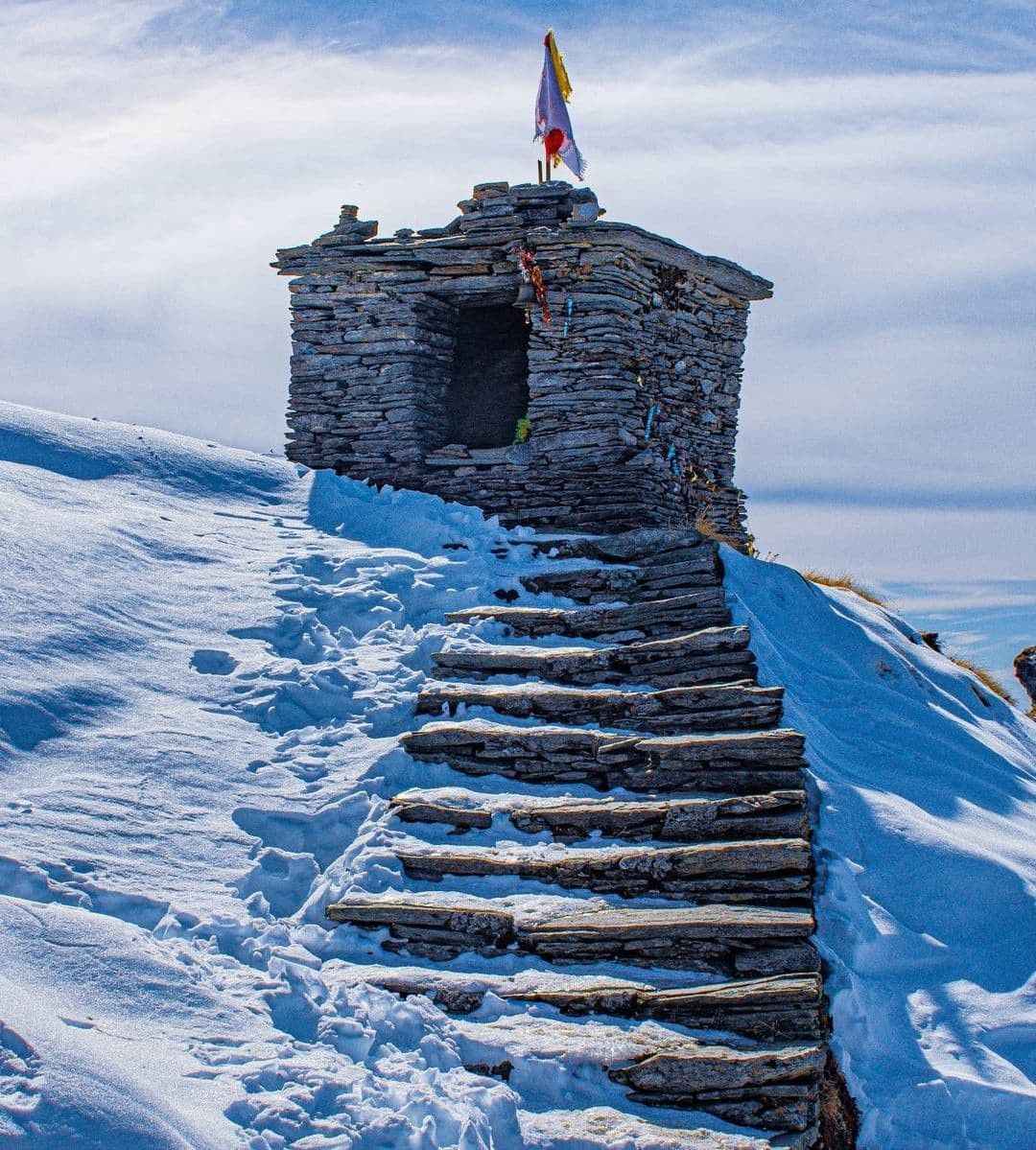
The February to April snow season transforms Chopta entirely. The forest trail to Tungnath disappears under several feet of compacted snow. The Chandrashila summit is a white dome. The peaks behind it are fully loaded. This is one of the most accessible and genuinely beautiful snow treks in Uttarakhand — close enough to Rishikesh that a long weekend covers it, spectacular enough that it does not feel like a consolation prize for missing a bigger trek.
Deoria Tal
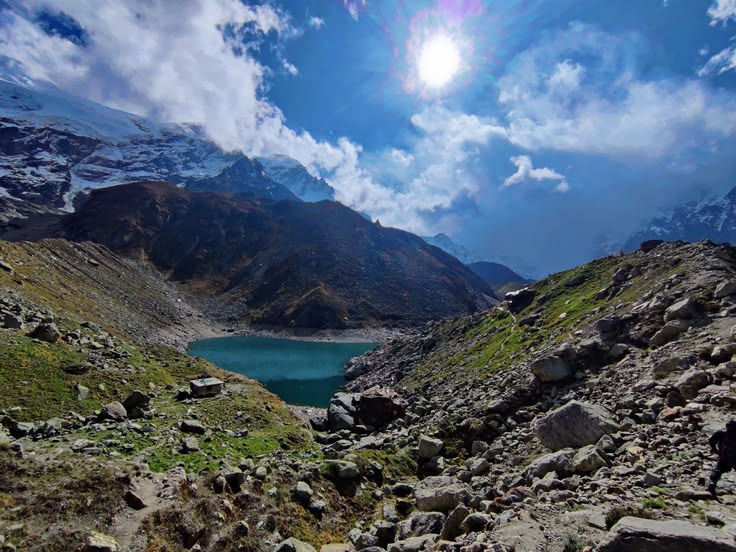
Thirteen kilometres from Chopta, the Deoria Tal lake at 7,841 feet offers one of the finest reflection photographs in the Himalayas. On a still morning with no wind, Chaukhamba reflects perfectly in the water. It is the kind of image that looks like someone adjusted the saturation in post, but they didn’t.
How to Reach Chopta
By Train and Road
Rishikesh or Haridwar to Chopta — drive via Rudraprayag and Ukhimath. Total distance from Rishikesh is around 200 km, taking 7 to 8 hours. Shared cabs run to Ukhimath; from there, local taxis cover the final stretch. Some direct buses run from Rishikesh on certain days.
By Road from Delhi
Delhi to Chopta via Rishikesh, Devprayag, and Rudraprayag. Around 450 km, a full driving day.
By Air
Jolly Grant Airport, Dehradun. From there, drive to Rishikesh and then the Mandakini valley route to Chopta.
Snow Trek Notes
For the February to April window, the trail from Chopta to Tungnath will have significant snow — sometimes 3 to 4 feet on the path. Microspikes are useful from mid-February onward. Trekking poles help considerably on the descent. Waterproof boots are essential. The temperature in Chopta in February nights can drop to -10°C — plan accommodation accordingly.
What to Expect on the Ground
Accommodation in Chopta covers a range of budgets — basic guesthouses, mid-range camps, and a few better-quality options. Tungnath temple opens around May and closes after Diwali (late October to early November). During winter closure, the idol is moved to Markanda village. The temple timing check before planning a spring trip is worth doing — the exact opening date follows the Hindu calendar and varies by a few days each year.