Valley of Flowers Trek — Where the Himalayas Decide to Show Off

  • 5 Days
  • Ask for Refund
  • Adult

  • Child

  • Infant

From 120.00 Per Adult
From 100.00 Per Child
From 50.00 Per Infant

Description

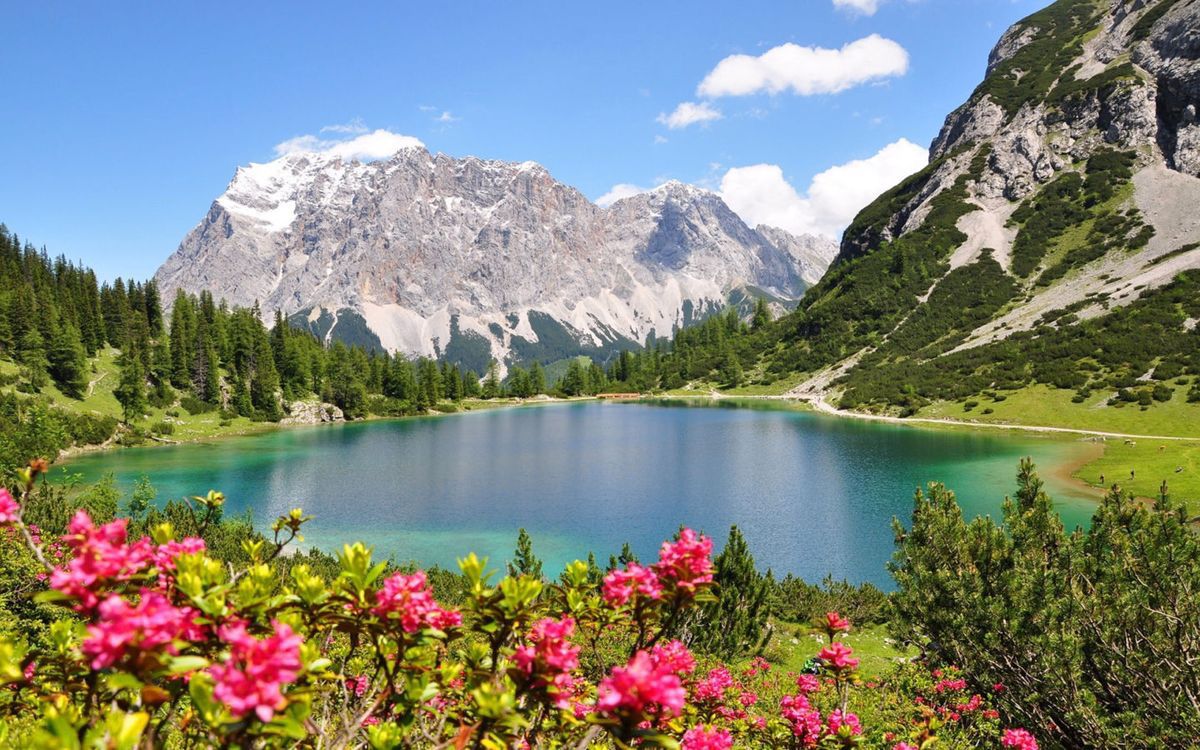
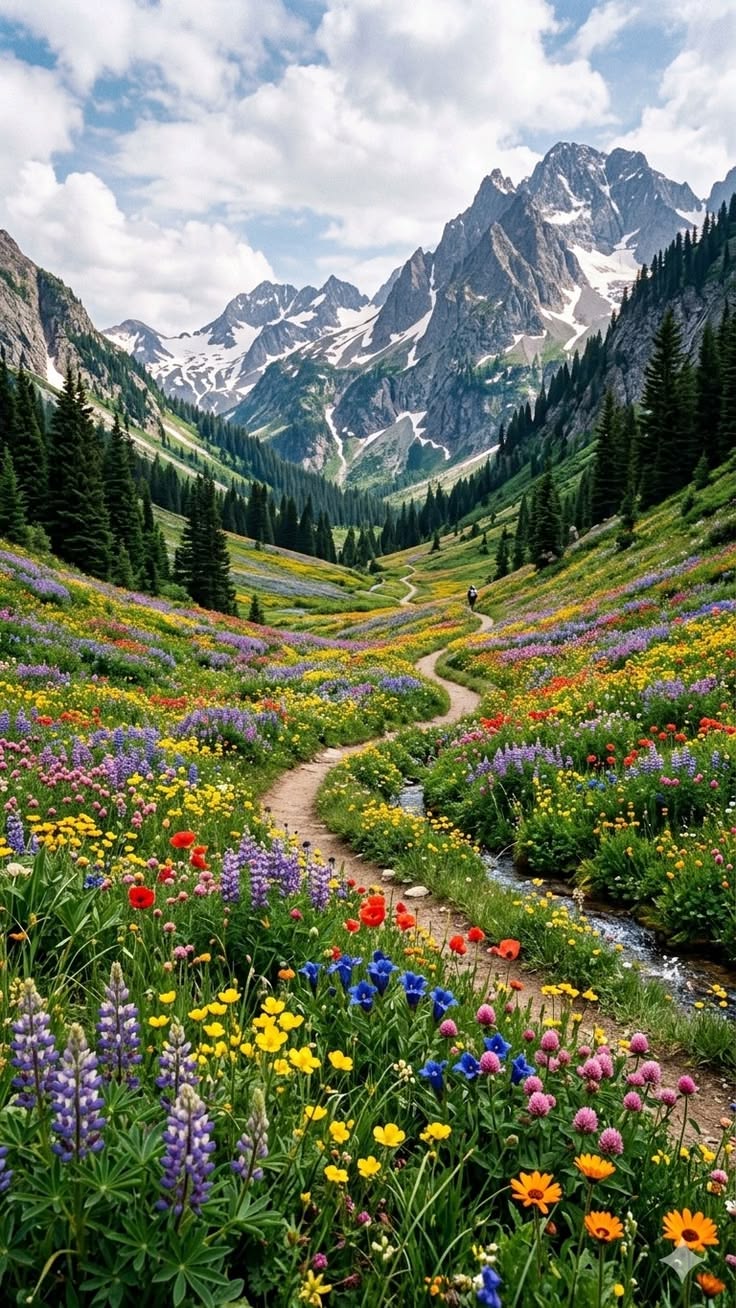
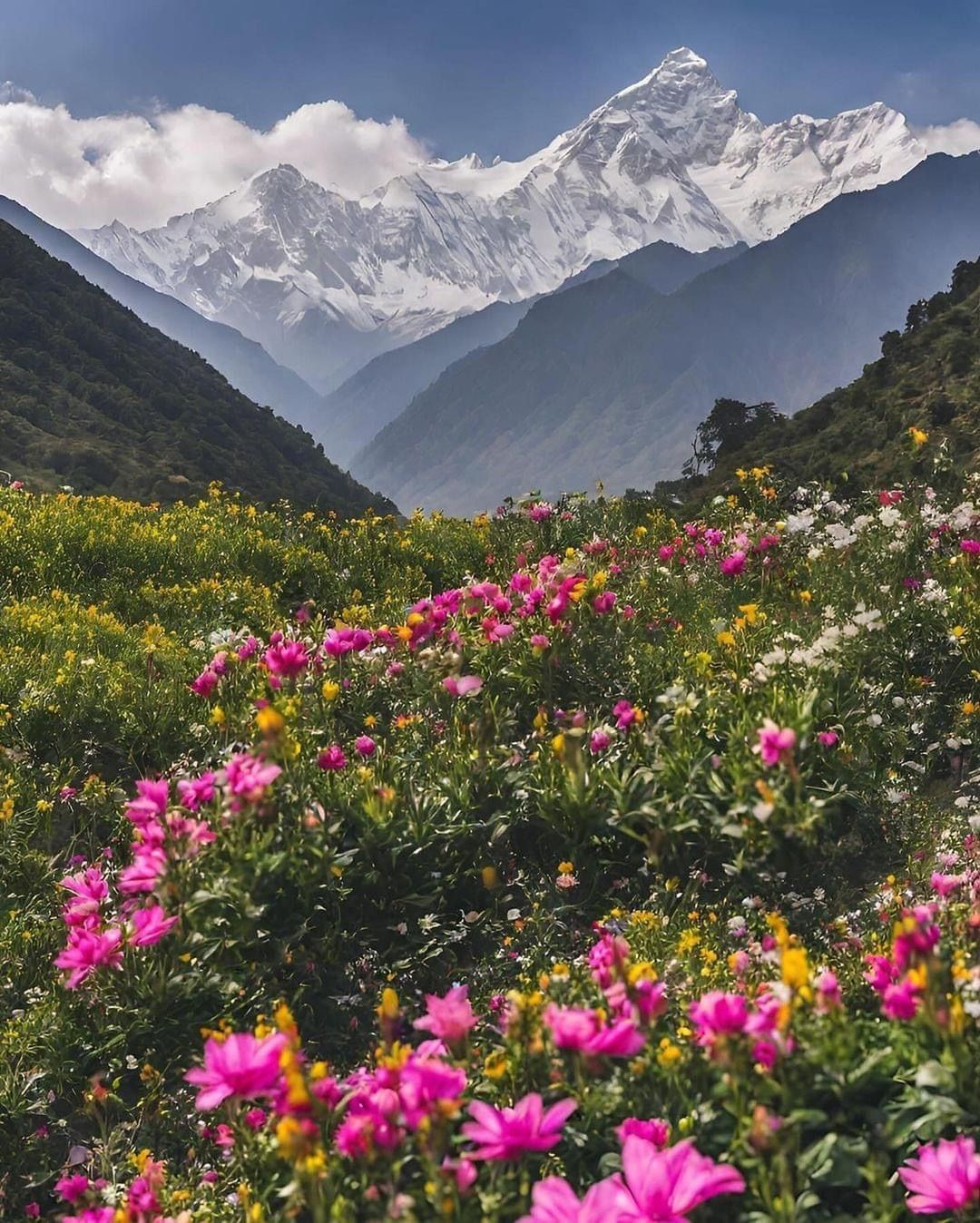
There are places you plan to visit and places that end up better than you expected. Valley of Flowers Trek is firmly in the second category. You walk in from Ghangaria on what looks like a fairly ordinary trail, turn one corner, and the entire valley opens up in front of you — a broad glacial bowl at 3,600 metres filled with wildflowers in more colours than you would think possible at this altitude.

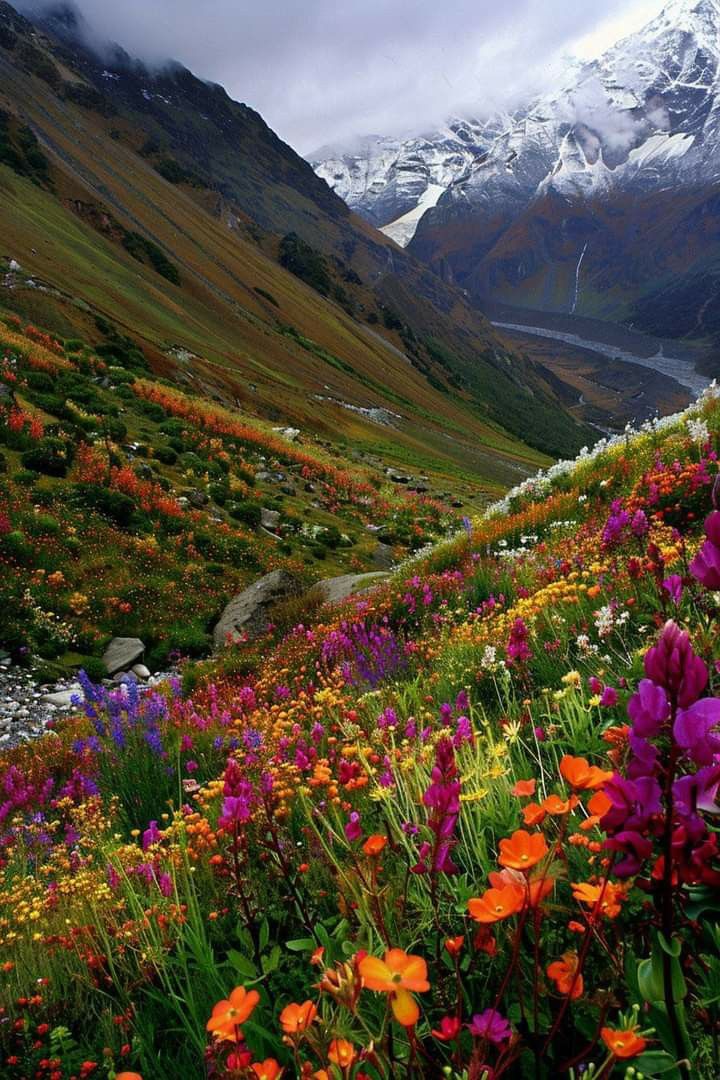
UNESCO gave it World Heritage Site status in 2005. That recognition is genuinely rare for something that is essentially a flower meadow. Spend a few hours walking through it and the designation starts to make complete sense. There are over 500 species documented here — Brahmakamal, blue poppy, cobra lily, anemone, primula, and dozens of others that have no common name in English. The entire display is monsoon-driven. The heavier the rain, the fuller the bloom.

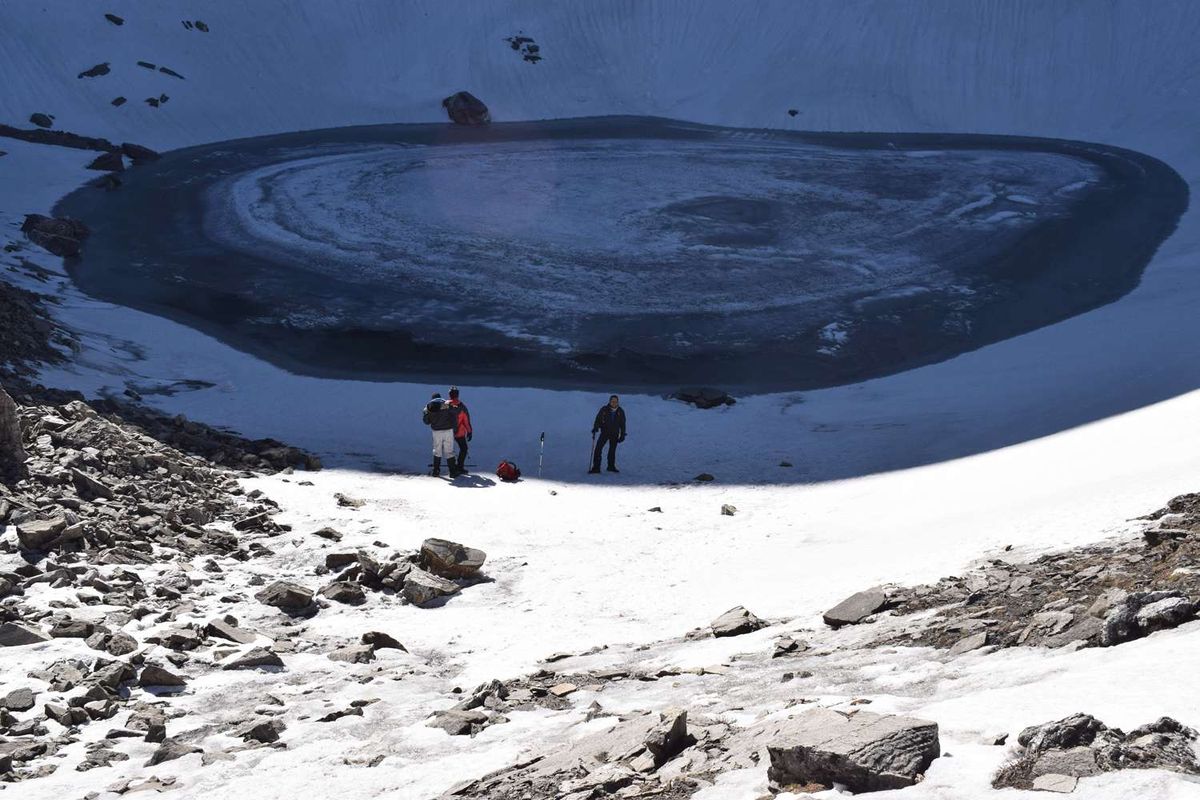
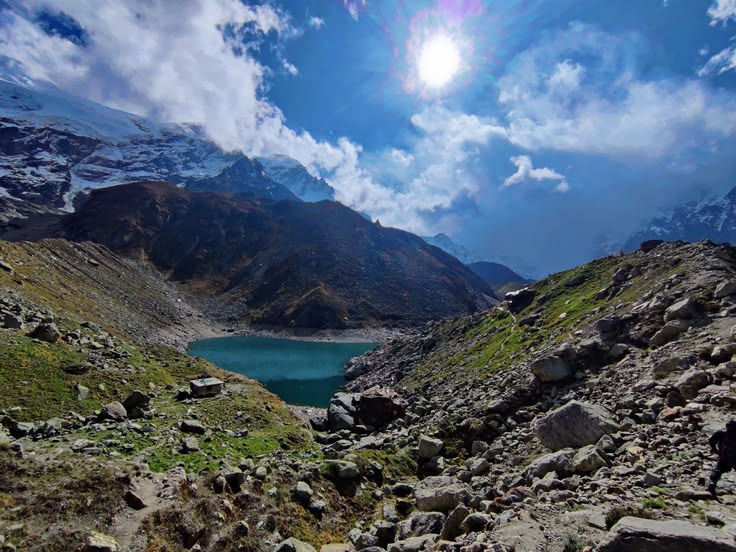
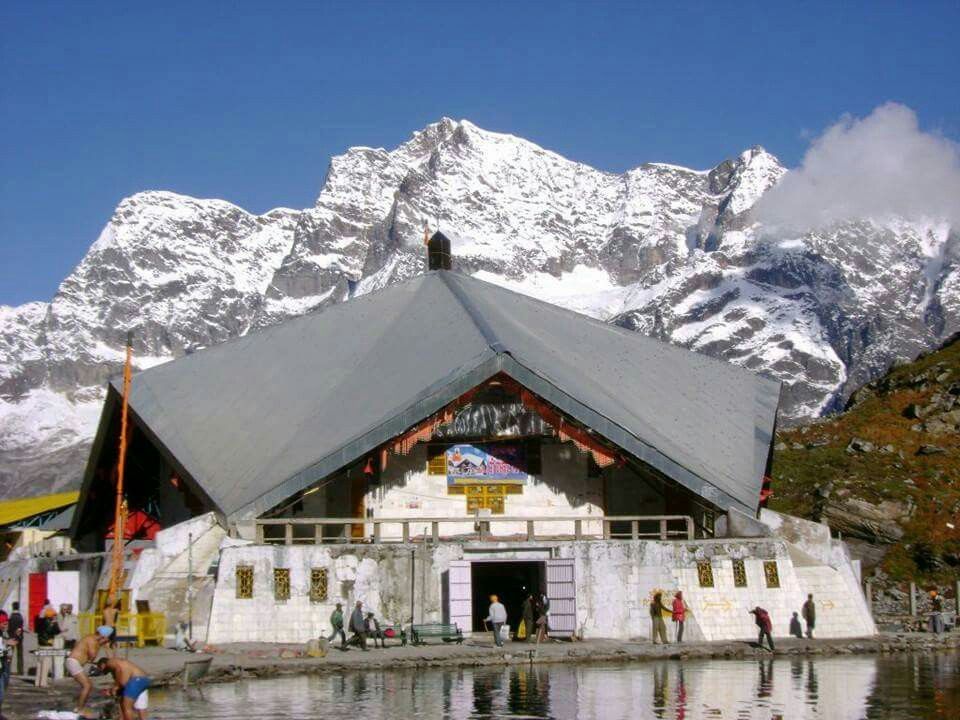
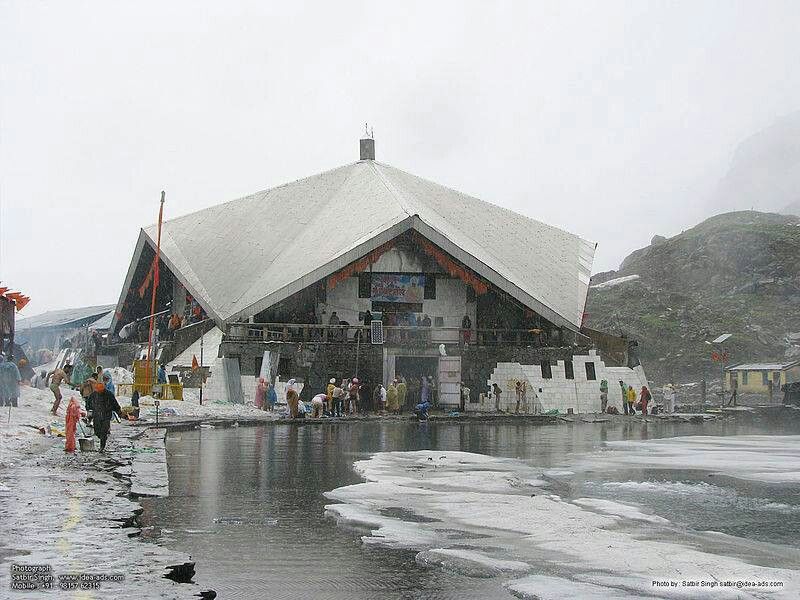
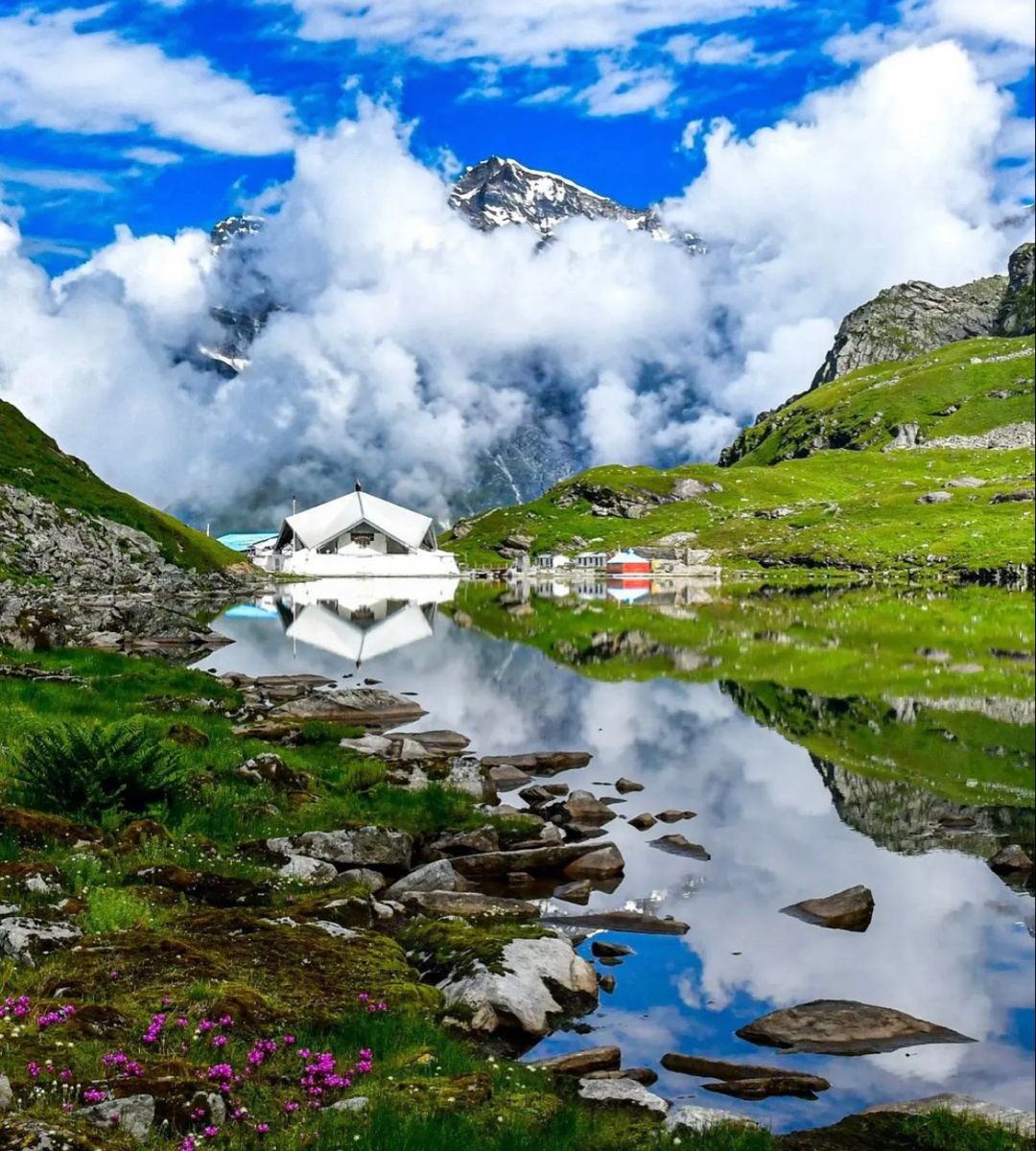
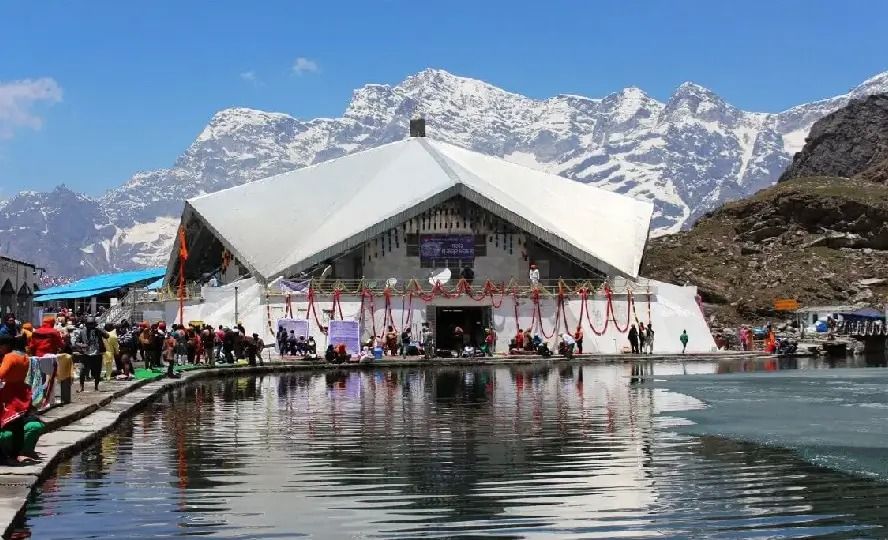
Most visitors combine this with Hemkund Sahib — the sacred Sikh shrine at a glacial lake above Ghangaria, sitting at 14,100 feet. The lake stays partially frozen through most of the season. The Gurudwara there serves langar to anyone who makes the climb, and after 6 hours of uphill walking in the rain, warm dal and roti from a mountain Gurudwara is something you will remember.

Trek at a Glance

DetailInfo
Valley Altitude10,500 ft – 12,000 ft
Hemkund Sahib Altitude14,100 ft
Valley Distance from Ghangaria4 km one way
Peak BloomMid-July to Mid-August
UNESCO StatusWorld Heritage Site (2005)
Valley Open SeasonJune to October
Nearest Railway StationRishikesh / Haridwar
Nearest AirportJolly Grant, Dehradun

Why Valley of Flowers Trek Is Genuinely Unique

The Scale of the Bloom

Five hundred species in a single valley is not a number you can fully process until you are walking through it. The distribution is not random either — different elevation bands within the valley support different communities of flowers, which means the bloom changes as you walk deeper in. Early season brings one palette; mid-August brings another.

The UNESCO Recognition

Very few natural landscapes in India carry World Heritage Site designation. Valley of Flowers Trek received it alongside Nanda Devi National Park in 2005, recognised for its exceptional biodiversity and the role it plays in the ecosystem of the Zanskar mountains. The designation also means it is regulated — entry is ticketed, numbers are managed, and the valley is closed to overnight stays. That preservation keeps it looking the way it does.

Hemkund Sahib

Combining the valley with Hemkund Sahib gives the trek a second, completely different dimension. The lake at 14,100 feet is one of the most high-altitude sacred sites in the country. The Gurudwara built on its shore has operated here for decades, maintained by volunteers who spend months at altitude to keep it running through the brief open season.

How to Reach Govindghat

By Train

Rishikesh and Haridwar are the nearest railheads, with good connectivity from Delhi and other major cities. From either, the road to Govindghat runs via Devprayag, Rudraprayag, Chamoli, and Joshimath — roughly 275 km, a full day of driving. Shared cabs and buses cover this route.

By Road

From Delhi via Haridwar and the Alaknanda highway — approximately 500 km to Govindghat. The road is well maintained and passes through some of the finest mountain scenery in Garhwal.

By Air

Jolly Grant Airport in Dehradun, then the full Alaknanda highway drive to Govindghat. Allow one full day.

Permits and Practical Details

Forest Entry Permit

Required for the Valley of Flowers — paid at the gate in Ghangaria. Your trekking operator typically arranges this. The fee goes toward conservation and is a straightforward process.

Monsoon Readiness

July and August are peak bloom but also peak monsoon. Waterproof rain gear is not optional — a poncho or rain jacket plus waterproof pack cover. Leeches are present on the lower trail sections; gaiters or tucked socks help.

Accommodation in Ghangaria

Multiple guesthouses at various price points. Pre-booking is strongly advisable from mid-July through August. The Gurudwara also provides basic accommodation.

Duration

5 Days, 4 Nights

Group Size

20

Language

English, Bangla, hindi

Highlights Icon

Highlights

  • Walk through a UNESCO World Heritage Site blooming with over 500 species of Himalayan wildflowers — Brahmakamal, blue poppy, cobra lily, primula, and dozens more
  • Visit Hemkund Sahib — one of the world's highest Gurudwaras at 14,100 ft on the shore of a glacial lake
  • Eat langar at Hemkund Sahib Gurudwara after the long climb — one of the most memorable meals on any trek
  • The valley is accessible and suitable for beginners — no technical terrain, good trail infrastructure
  • Experience the monsoon Himalayas at their most lush and vivid — a completely different mountain world from the dry autumn season
  • Photograph wildflower species that exist nowhere else in the accessible Indian Himalaya

Included

  • Accommodation — guesthouse/hotel in Joshimath and Ghangaria on twin sharing basis
  • All meals from Day 1 dinner to Day 6 breakfast
  • Valley of Flowers and Hemkund Sahib forest entry permits
  • Trek guide and support staff
  • First aid kit and basic medical support

Excluded

  • Personal trekking gear and rain gear
  • Meals during road transit days
  • Pony or porter charges if used at Hemkund Sahib
  • Mule charges for personal luggage
  • Travel insurance
  • Anything not specifically mentioned under inclusions

Travel Itinerary

Day 1 - Rishikesh to Joshimath

Drive | 9 hours

Drive the Alaknanda highway. Three river confluences along the way. Overnight in Joshimath.

Day 2 - Joshimath to Govindghat to Ghangaria

Drive + Trek | 14 km trek | 5–6 hours

Short drive to Govindghat. The trail begins alongside the Lakshman Ganga river and climbs steadily through forest and open sections. The path is well-maintained and relatively busy in season — which is reassuring in the monsoon rain. Ghangaria at 10,000 feet is a small settlement with guesthouses, dhabas, and a Gurudwara serving free langar. You stay here for two nights.

Day 3 - Valley of Flowers

Day Hike | 8 km round trip | 5–6 hours

Forest department entry permit from the gate in Ghangaria. Once inside, walk at your own pace. The valley reveals itself gradually as you go deeper — narrow at first, then opening into the full bowl. Find a flat rock, sit down, eat lunch, watch the clouds move. The valley closes at 5 PM. Back to Ghangaria for the night.

Day 4 - Hemkund Sahib

Day Hike | 12 km round trip | 6–7 hours

Steeper than the valley route, gaining roughly 4,000 feet from Ghangaria. The path is crowded with pilgrims in season, which paradoxically makes the isolation of the lake itself more striking when you finally reach it. Eat langar at the Gurudwara before coming down. Back to Ghangaria by evening.

Day 5 - Ghangaria to Govindghat, Drive toward Rishikesh

Morning descent, then the drive back. Depending on timing, either overnight en route or push through to Rishikesh.

Maps

Frequently Asked Questions

Why is the bloom season so short?

The flowers respond directly to monsoon moisture and temperature. The valley is buried under snow for most of the year and only blooms fully during the brief window when both rain and warmth are present, roughly July to mid-August.

Can I camp inside the Valley of Flowers?

No. Overnight camping inside the valley is strictly prohibited to protect the ecosystem. All overnight stays are in Ghangaria.

Is Hemkund Sahib mandatory as part of this trek?

No, it is optional, though most operators include it as it adds significant value to the trip. It can be skipped if time or fitness is a constraint.

How crowded does this trek get?

July and August see heavy pilgrim and trekker traffic, particularly on the Hemkund Sahib trail due to the Sikh pilgrimage season. The Valley of Flowers trail is generally quieter.

Are leeches a real concern?

Yes, particularly on the lower forested sections during peak monsoon. Gaiters, salt, or tucked-in socks are effective precautions.

From ₹100.00

Book This Tour

Person Info

Adults
-
+
Children
-
+
Infant
-
+
Loader
Thank You

Booked Successfully

  • Details
Booking Summary

Valley of Flowers Trek — Where the Himalayas Decide to Show Off

0 Adults
0 Children
0 Infant

Have a question in mind

Looking for more info? Send a question to the tour agent to find out more.

From ₹100.00

Book This Tour

Person Info

Adults
-
+
Children
-
+
Infant
-
+
Loader
Thank You

Booked Successfully

  • Details
Booking Summary

Valley of Flowers Trek — Where the Himalayas Decide to Show Off

0 Adults
0 Children
0 Infant

You might also like

Uttarakhand

Your Question