
Duration: 7 Days
Maximum Altitude: 14,894 ft (4,540 m)
Vasudhara Falls Altitude: ~12,100 ft
Sukhwasa Camp Altitude: 13,500 ft
Difficulty: Difficult
Best Season: May to June, September to October
Base: Mana Village / Badrinath
Starting Point: Rishikesh
The Short Version
A 7-day difficult trek beginning at Mana village — India's last settlement before Tibet — and following the Alaknanda river to its glacial source. The route passes Vasudhara Falls (122 metres), the Sukhwasa meadow with its panorama of the Gangotri range, and ends at Satopanth Lake Trek— a sacred glacial body at 14,894 feet fed by three glaciers in a near-vertical rock and ice cirque. Requires prior high-altitude trekking experience.
The Longer Story
Most treks begin at unremarkable trailheads — a dusty road end, a bridge, a village car park. Satopanth begins at Mana, and Mana itself is already a destination.
Three kilometres beyond Badrinath, the last Indian village before Tibet sits against a hillside at around 10,000 feet. Butter lamps burn in the evening. Mani walls line the paths. The atmosphere is one of a place that exists at the edge of the known world — not dramatically, not self-consciously, just by geography. From Mana, Tibet is on the other side of the passes. From Mana, the Saraswati river — one of the most mythologically significant rivers in Hindu tradition — disappears underground at a specific, visible, documented point just outside the village, never to be seen again at the surface. This is the only place in India where this can be observed. Standing and watching it happen is quietly extraordinary.
The trail from Mana follows the Alaknanda upstream. You are walking toward the origin of a river that eventually becomes the Ganga — the journey from mountain source to plains confluence visible in reverse as you climb. Vyas Gufa, Bhim Pul, Chakratirtha — each landmark carries its own mythological and historical weight, and the route accumulates meaning as you move deeper.
Vasudhara Falls arrives without announcement. On an otherwise open trail, 122 metres of glacial meltwater drops straight from a cliff above. The spray reaches the trail. The sound carries long before the falls are visible. A local belief holds that only those of pure heart can stand beneath it without getting wet — which has the effect of making everyone test the claim.
The Sukhwasa campsite at 13,500 feet is, on its own, worth the trek. The full Gangotri range — Shivling, the Bhagirathi peaks, the glaciers that ultimately give the Ganga its identity — is spread across the valley rim in an unbroken panorama. Spending a night here before the lake push is both a physical necessity for acclimatisation and a deeply satisfying experience in its own right.
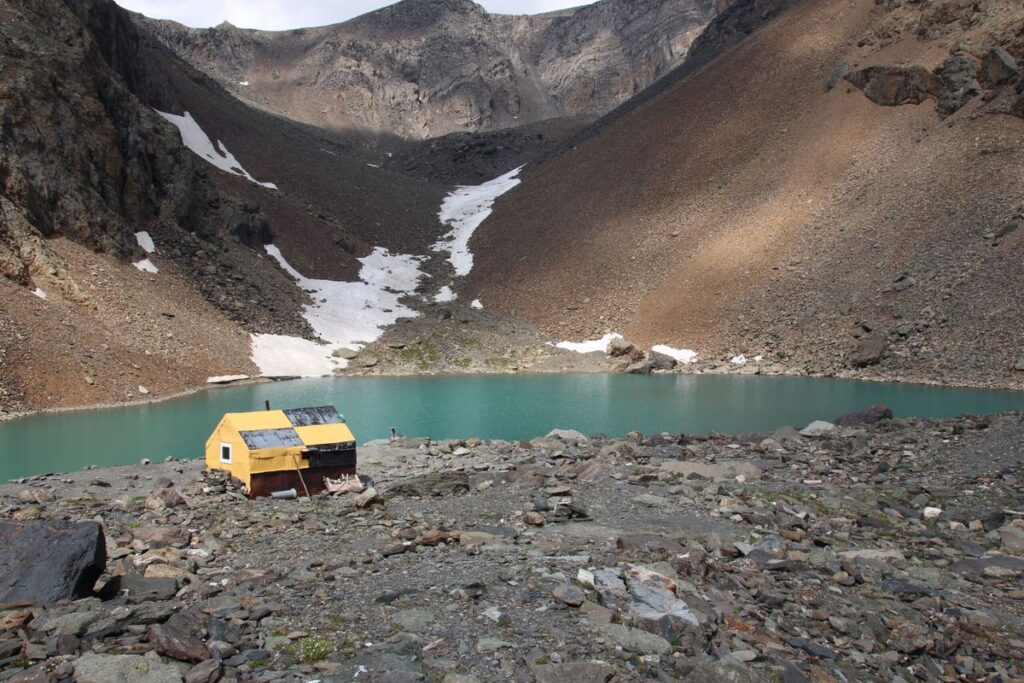
And then the lake. The moraine approach is unstable and demanding — every step requires attention. The scrambling sections alternate with boulder fields. And then the basin opens and Satopanth is in front of you. Dark water in a bowl of rock and ice. Three glaciers feeding into it. No signboard, no trail marker, no structure of any kind. The silence here is not quiet — it has a physical quality, like a presence. Satopanth means "the true path" in Sanskrit. After the walk to reach it, that name makes a particular kind of sense.
The Itinerary at a Glance
| Day | Route | Type | Hours |
|---|---|---|---|
| Day 1 | Rishikesh to Joshimath | Drive | 9 hrs |
| Day 2 | Joshimath to Badrinath | Drive | 3–4 hrs |
| Day 3 | Mana Village to Lakshmi Van / Chakratirtha | Trek | 5–6 hrs |
| Day 4 | Chakratirtha to Vasudhara Falls to Sukhwasa | Trek | 5–6 hrs |
| Day 5 | Sukhwasa to Satopanth Lake and Back | Trek | 7–8 hrs |
| Day 6 | Sukhwasa to Mana Village | Trek | 6–7 hrs |
| Day 7 | Badrinath to Rishikesh | Drive | 10–11 hrs |
Places to Visit During the Satopanth Lake Trek
The Satopanth Lake Trek is not only about reaching the high-altitude glacial lake. The route from Mana Village to Satopanth passes through some of the most dramatic landscapes of the Garhwal Himalayas, including sacred sites, waterfalls, river valleys, alpine camps, and high mountain viewpoints. Each stop adds something different to the trekking experience. Your uploaded guide specifically highlights Mana Village, the Saraswati River area, Vyas Gufa, Bhim Pul, Vasudhara Falls, Sukhwasa, and Satopanth Lake as major attractions along the route.
1. Mana Village
Mana Village is one of the most important places on the Satopanth route. Located near Badrinath, it is traditionally regarded as the last Indian village before Tibet and sits at roughly 10,000 feet. The village has a distinctive high-Himalayan atmosphere, with stone houses, narrow paths, traditional structures, and views of the surrounding mountains.
Mana is also an important starting point for the trek. Before entering the more remote wilderness, trekkers can explore the village and experience its unique cultural character. The location feels very different from the busy pilgrimage centres lower down the valley.
2. Saraswati River
Near Mana Village, the Saraswati River is one of the most interesting natural and mythological attractions. The river emerges dramatically through the mountains before disappearing underground at a visible point.
The Saraswati has deep significance in Indian mythology, and seeing the river in this remote Himalayan setting adds a cultural dimension to the trek. It is one of the memorable places to stop and appreciate before continuing toward the Satopanth trail.
3. Vyas Gufa
Vyas Gufa is another significant attraction near Mana. Traditionally associated with Sage Ved Vyasa, the cave is connected with several stories from Hindu mythology.
For trekkers, it provides an opportunity to experience the cultural and spiritual side of the region before heading deeper into the mountains. Its location among the dramatic cliffs and valleys makes it an interesting stop for both pilgrims and adventure travellers.
4. Bhim Pul
Bhim Pul is a naturally formed stone bridge located near Mana. According to local tradition, the massive rock was placed by Bhima from the Mahabharata.
The bridge spans the Saraswati River and creates a spectacular natural viewpoint. The rushing river below, enormous surrounding rocks, and steep Himalayan valley make Bhim Pul one of the most distinctive sights near the beginning of the Satopanth route.
5. Vasudhara Falls
Vasudhara Falls is one of the most spectacular attractions on the Satopanth Lake Trek. The waterfall drops approximately 122 metres from the surrounding cliffs, creating a dramatic stream of glacial water against the rocky Himalayan landscape.
The waterfall is particularly impressive because of its remote setting. Rather than being surrounded by roads or tourist infrastructure, Vasudhara appears in an open mountain landscape where the sound of falling water carries across the valley. Local belief also associates the waterfall with the idea that only people of a pure heart can stand beneath it without getting wet.
6. Sukhwasa Camp
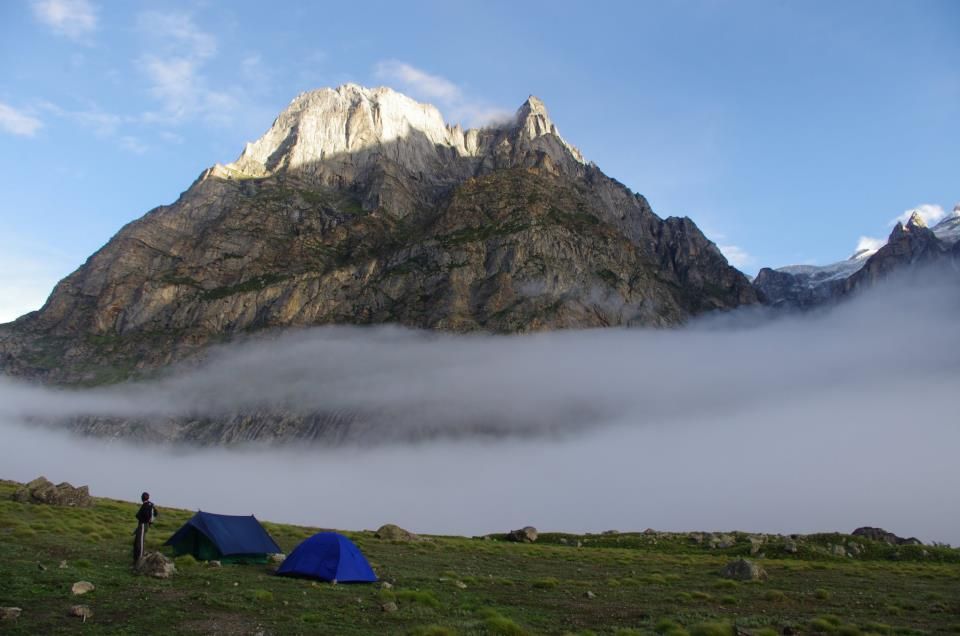
Sukhwasa is more than just an overnight campsite. Located at approximately 13,500 feet, it is one of the most scenic stopping points on the route toward Satopanth Lake.
From the campsite, trekkers can enjoy expansive views of the surrounding Himalayan ranges, including the Shivling and Bhagirathi peaks. The open landscape, high-altitude environment, and enormous mountain walls make Sukhwasa an excellent place for photography and simply taking in the scale of the Himalayas.
7. Satopanth Lake
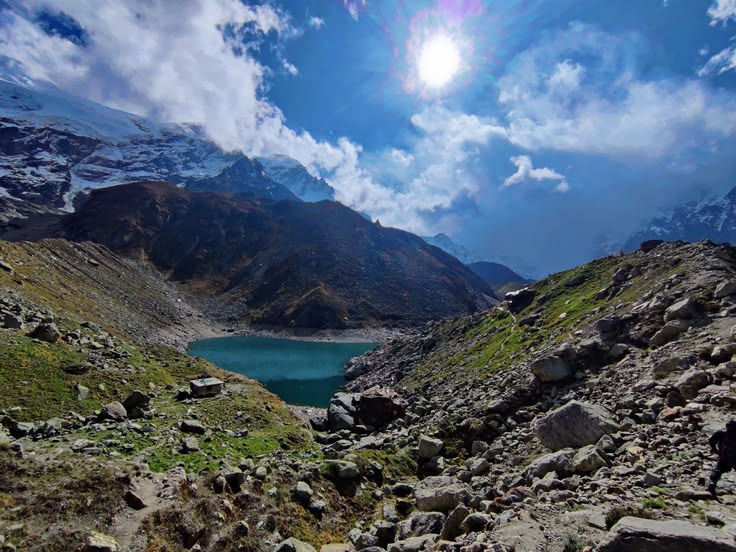
The ultimate destination of the trek is Satopanth Lake, situated at approximately 14,894 feet (4,540 m). The sacred glacial lake lies within a dramatic cirque surrounded by rocky peaks and glaciers.
The approach becomes more demanding, with moraine terrain, boulder sections, and scrambling requiring careful footing. After crossing this challenging terrain, the landscape opens up to reveal the dark waters of Satopanth surrounded by mountains and ice.
The lake is fed by three glaciers and has deep spiritual significance. Its remote location, high altitude, and extraordinary mountain setting make it one of the most impressive destinations in the Garhwal Himalayas.
8. Badrinath
Although Badrinath is generally visited before starting the trek from Mana, it is an important addition to the Satopanth journey. The town is one of Uttarakhand's most significant pilgrimage destinations and sits along the Alaknanda River.
Who Should Do This Trek
Experienced trekkers with prior high-altitude experience — ideally having spent multiple nights above 12,000 feet on a previous trek. Those drawn to sacred mountain landscapes and the intersection of mythology and geography. Anyone who has done Kuari Pass or Roopkund and wants something remote and genuinely demanding.
One Thing Most People Do Not Know
The inner line permit situation near Mana changes periodically. Depending on current border area regulations, additional registration may be required beyond the standard trek permits. Confirm with your operator at the time of booking — this is not something to discover on Day 2.