
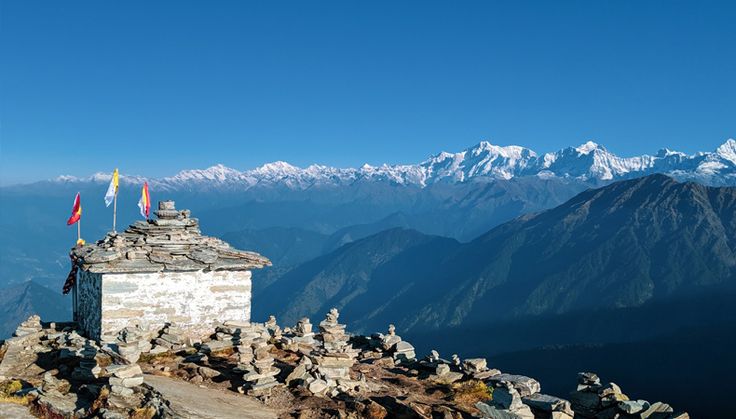
Duration: 4 Days
Maximum Altitude: 13,123 ft (Chandrashila Summit)
Tungnath Temple Altitude: 12,073 ft
Difficulty: Easy to Moderate
Best Season: February to April (snow), May to June, September to November
Base: Chopta
Starting Point: Rishikesh
The Short Version
The world's highest Shiva temple at 12,073 feet. A summit at 13,123 feet with a 360-degree Himalayan panorama. Deoria Tal lake where Chaukhamba reflects in still morning water. One of the finest snow treks accessible on a long weekend. All of this in four days from Rishikesh. The most efficient trek in Uttarakhand by almost any measure.
The Longer Story
People who know Uttarakhand well often speak about Chopta Tungnath Trek with a kind of restrained enthusiasm — like they do not want too many people to find out about it. The meadows here, inside the Kedarnath Wildlife Sanctuary at 2,700 metres, have a quality that the bigger, more marketed destinations often lose in their own popularity. Silver fir and rhododendron on the treeline edge. Open bugyals rolling toward the ridge. The sound of wind and very little else.
Tungnath at 3,680 metres is the world's highest Shiva temple — a designation that carries meaning beyond the record itself. The temple has stood on this ridge for centuries. The approach through the silver fir forest is one of the finest 3.5-kilometre forest walks in the Garhwal — the kind where the surroundings are engaging enough that the altitude gain happens almost without your noticing.
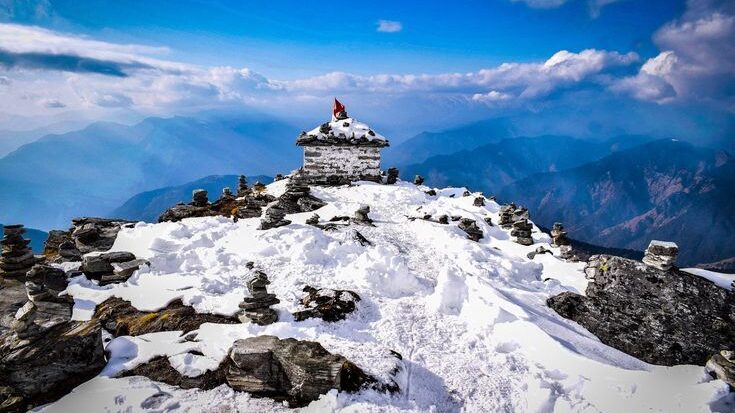
From Tungnath, one more kilometre reaches Chandrashila at 13,123 feet. The summit is a clean open point with no obstruction in any direction. Kedarnath, Chaukhamba, Trishul, Nanda Devi, Nilkanth, Bandarpunch — the full arc of the Himalayan range from west to east on a clear day. The view from Chandrashila is considered by many experienced trekkers to be one of the five best accessible summit views in India. It is achievable without crampons or technical gear in all seasons except deep winter.
Deoria Tal, 13 km from Chopta by road, adds a third layer to the trip that most people are glad they did not skip. The lake at 7,841 feet sits inside a tree line — oak and rhododendron on three sides, with the Chaukhamba massif visible across the water. On calm mornings before the wind picks up, the reflection in the still water is one of the most photographed natural compositions in the Garhwal. Arrive early or do not expect the calm surface.
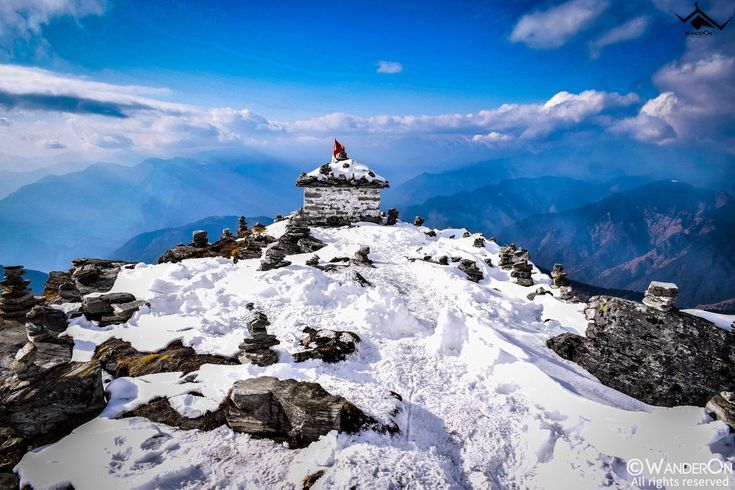
The snow version of this trek — February through April — is worth separate mention. The trail from Chopta to Tungnath disappears under several feet of compacted snow. The Chandrashila summit is a white dome. The surrounding peaks are fully loaded. The atmosphere is completely different from the summer and autumn versions, and the trek is close enough to Rishikesh to make a 4-day long weekend entirely feasible from Delhi.
The Itinerary at a Glance
| Day | Route | Type | Hours |
|---|---|---|---|
| Day 1 | Rishikesh to Chopta | Drive | 7–8 hrs |
| Day 2 | Chopta to Tungnath to Chandrashila and Back | Trek | 5–6 hrs |
| Day 3 | Deoria Tal Day Hike | Drive + Hike | 2–3 hrs |
| Day 4 | Return to Rishikesh | Drive | 7–8 hrs |
Places to Visit During the Chopta Tungnath Trek
The Chopta Tungnath Trek is more than just a hike to one destination—it's a journey through lush forests, alpine meadows, ancient temples, and breathtaking Himalayan viewpoints. Every stop along the trail offers something unique, whether it's spiritual significance, natural beauty, or panoramic mountain views. Here are the must-visit places during the trek:
1. Chopta
Known as the "Mini Switzerland of Uttarakhand," Chopta is the starting point of the trek and a picturesque hill station surrounded by dense forests of deodar, oak, and rhododendron. Located at an altitude of approximately 2,680 metres (8,790 ft), Chopta offers stunning views of the Himalayan ranges and is a paradise for nature lovers, birdwatchers, and photographers. During winter, the entire region is covered in snow, while spring brings vibrant rhododendron blossoms that paint the hillsides in shades of red and pink.
2. Tungnath Temple
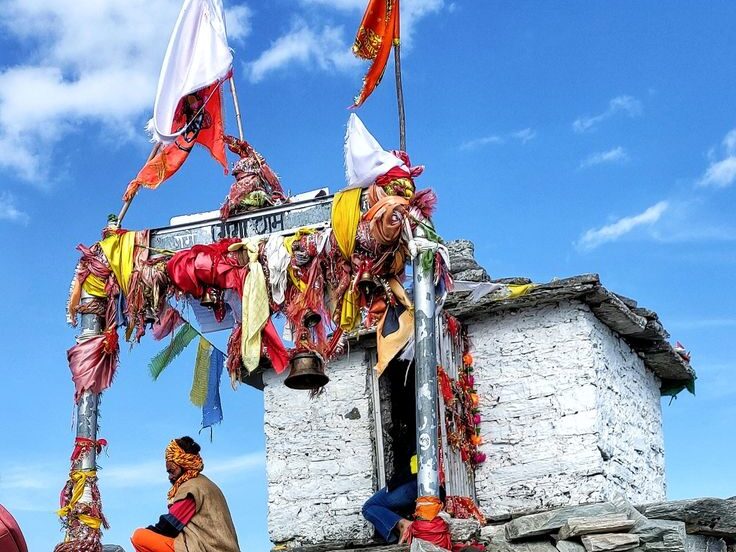
The main highlight of the trek is Tungnath Temple, the highest Shiva temple in the world, situated at an altitude of 3,680 metres (12,073 ft). Believed to be over a thousand years old, this sacred temple is one of the revered Panch Kedar shrines and attracts both pilgrims and trekkers. Surrounded by majestic snow-capped peaks, the temple offers a peaceful atmosphere where spirituality blends beautifully with the grandeur of the Himalayas.
3. Chandrashila Summit
Located about 1.5 km above Tungnath Temple, the Chandrashila Summit stands at 4,000 metres (13,123 ft) and is the highest point of the trek. The climb is short but rewarding, offering one of the finest 360-degree panoramic views in Uttarakhand. From the summit, visitors can admire iconic Himalayan peaks such as Nanda Devi, Chaukhamba, Trishul, Kedarnath, Bandarpoonch, and Neelkanth. Watching the sunrise from Chandrashila is considered one of the most memorable experiences of the trek.
4. Deoria Tal
Located around 20 km from Chopta, Deoria Tal is a serene high-altitude lake surrounded by dense forests. The crystal-clear waters of the lake reflect the magnificent Chaukhamba massif on calm mornings, creating one of the most photographed landscapes in Uttarakhand. A short and easy trek leads to the lake, making it a perfect addition to the Chopta Tungnath itinerary for those seeking tranquility and spectacular mountain scenery.
5. Kedarnath Wildlife Sanctuary
The trail passes through parts of the Kedarnath Wildlife Sanctuary, one of Uttarakhand's richest biodiversity hotspots. The sanctuary is home to Himalayan musk deer, Himalayan monal (the state bird of Uttarakhand), barking deer, foxes, and numerous bird species. Walking through its dense forests of oak, deodar, and rhododendron provides an immersive experience in the Himalayan wilderness.
6. Rohini Bugyal
Rohini Bugyal is a beautiful alpine meadow located near the trekking route. During summer, the meadow transforms into a lush green carpet dotted with wildflowers, while winter covers it in a thick blanket of snow. It offers peaceful surroundings and excellent views of the surrounding mountain ranges, making it a favorite spot for photography and short breaks.
7. Kanchula Korak Musk Deer Sanctuary
Situated close to Chopta, the Kanchula Korak Musk Deer Sanctuary is another natural attraction worth exploring. The sanctuary is known for its dense forests, rich Himalayan flora, and the endangered Himalayan musk deer. It is also an excellent destination for birdwatching and wildlife enthusiasts who wish to explore the region beyond the main trekking trail.
8. Ukhimath
Before or after the trek, many visitors stop at Ukhimath, a historic town famous for the Omkareshwar Temple. During winter, when heavy snowfall closes Kedarnath Temple, the idol of Lord Kedarnath is ceremonially moved to Ukhimath, making it an important pilgrimage destination. The town also offers beautiful views of the surrounding Himalayan landscape and provides insight into the region's rich cultural and religious heritage.
Who Should Do This Trek
Anyone. This is the single most broadly applicable recommendation on this list — suited to beginners, experienced trekkers wanting a short outing, families, solo travellers, and anyone who has a long weekend and wants to understand what the fuss about Garhwal mountain views is about. The snow version adds a layer of physical engagement without technical requirements.
One Thing Most People Do Not Know
Tungnath temple has specific opening and closing dates that follow the Hindu calendar and vary by a few days each year. The idol is moved to Markanda village in the valley for winter. If your trip falls in May or November, check the exact date before finalising. Arriving to find the temple closed is easily avoided.